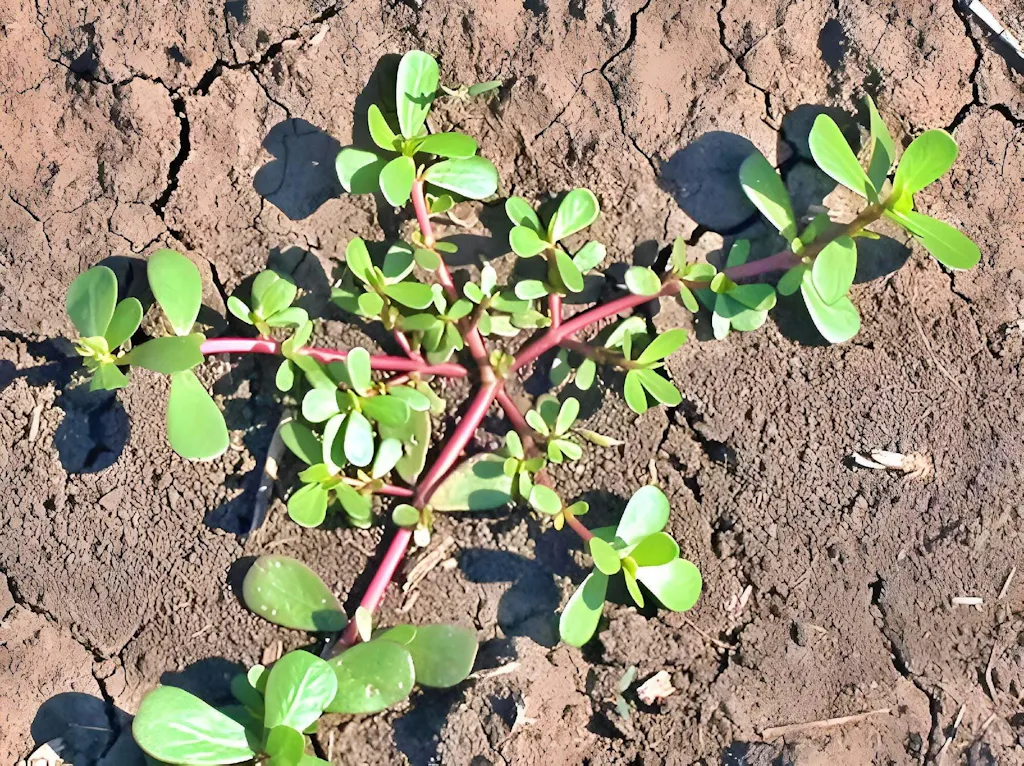
Common Purslane — The Highest Omega-3 Leafy Vegetable on the Planet
Common Purslane (Portulaca oleracea sativa) is considered one of the most nutritious foods on the planet — and one of the most underappreciated greens in the Western garden. Fresh leaves contain more omega-3 fatty acids (α-linolenic acid) than any other leafy vegetable, making purslane a true nutritional powerhouse. Rich in calcium, iron, magnesium, potassium, vitamins A, B, and C, and antioxidants, it is thought to be an essential component of the Cretan diet — one of the world's highest life-expectancy diets. Plants look like baby jade plants, with flat-spreading stems that radiate from a single taproot, sometimes forming beautiful mats of succulent leaves. The flavor is crunchy and slightly lemony — similar to watercress or spinach — and the high pectin content naturally thickens soups and stews. 40–60 days.
Pet warning: While purslane is highly beneficial for humans, it contains soluble calcium oxalates, which can be toxic to pets.
Why Grow Common Purslane?
-
Highest omega-3 of any leafy vegetable — more α-linolenic acid than any other green
-
Nutritional powerhouse — calcium, iron, magnesium, potassium, vitamins A/B/C & antioxidants
-
Cretan diet staple — linked to one of the world's highest life-expectancy diets
-
Crunchy, lemony flavor — excellent substitute for spinach or watercress
-
Versatile in the kitchen — raw in salads, steamed, stir-fried & thickens soups
-
Easy to grow — fast, low-maintenance annual green
How to Grow Common Purslane
When to Plant
Direct sow outdoors after the last frost date when soil temperatures have reached at least 60°F (ideally 70–80°F). Purslane is a warm-season annual that thrives in summer heat — cold soil will delay or prevent germination. For a continuous harvest, sow in succession every 2–3 weeks through midsummer.
Soil & Site Preparation
Purslane is remarkably unfussy. It grows well in average to poor, well-drained soils and actually prefers lean conditions — rich, heavily amended soil encourages lush but less flavorful growth. Choose a spot in full sun to part shade. Loosen the top inch of soil and rake it smooth before sowing.
Sowing Seeds
Scatter seeds directly on the prepared soil surface and press lightly into contact with the soil — do not cover with soil, as purslane seeds require light to germinate. Water gently with a fine mist to avoid displacing seeds. Keep the surface consistently moist until germination, which typically occurs in 7–14 days at optimal temperatures.
Thinning & Spacing
Once seedlings are 1–2 inches tall, thin to 6 inches apart to allow plants to spread and form their characteristic low mats. Thinnings are edible — add them directly to salads. In square-foot gardening, plant 4 per square foot.
Watering & Care
Once established, purslane is highly drought-tolerant thanks to its succulent stems and leaves. Water deeply but infrequently — overwatering is the most common mistake. Allow the soil to dry slightly between waterings. No fertilizing is needed; excess nitrogen produces rank growth with diminished flavor. Purslane requires virtually no maintenance once established.
Harvesting
Begin harvesting young leaves and stem tips at 40–60 days, or whenever plants are 4–6 inches tall. Use scissors or pinch stems just above a leaf node — plants will branch and regrow vigorously. Harvest in the morning for the best flavor and texture. Regular picking is essential: it delays flowering and keeps plants productive. Once plants bolt and flower, leaves become smaller and slightly more bitter, though still edible.
Saving Seeds
Allow a few plants to flower and set seed. Seed capsules are tiny and split open when ripe — collect them by cutting the stems and shaking them into a paper bag. Seeds remain viable for 3–5 years when stored cool and dry.
Pest & Disease Notes
Purslane has virtually no serious pest or disease problems. Its succulent nature makes it unappealing to most insects. Slugs may occasionally feed on seedlings in wet conditions — reduce moisture and use diatomaceous earth if needed.
| Days to Maturity |
40–60 days |
| Germination Temp |
60–80°F (soil) |
| Germination Time |
7–14 days |
| Planting Depth |
Surface sow — needs light to germinate |
| Spacing |
6 inches apart / 4 per sq. ft. |
| Sun |
Full sun to part shade |
| Watering |
Drought-tolerant once established |
| Flavor |
Crunchy & slightly lemony |
| Nutrition |
Highest omega-3 of any leafy vegetable |
| Best Uses |
Raw salads, steamed, stir-fried & soups |
| Pet Warning |
Contains calcium oxalates — toxic to pets |
| Latin Name |
Portulaca oleracea sativa |
| Type |
Heirloom, Open-Pollinated, Non-GMO, Annual |
| USDA Zones |
3–10 |
Packed and shipped by Box Garden Seeds LLC — heirloom seeds grown without GMOs, selected for flavor, resilience, and your garden's success.