Angelica, Heirloom Herb Seeds — Ancient Medicinal & Culinary Biennial, Majestic 6-Foot Architectural Plant, Earthy Licorice Flavor (Angelica archangelica)
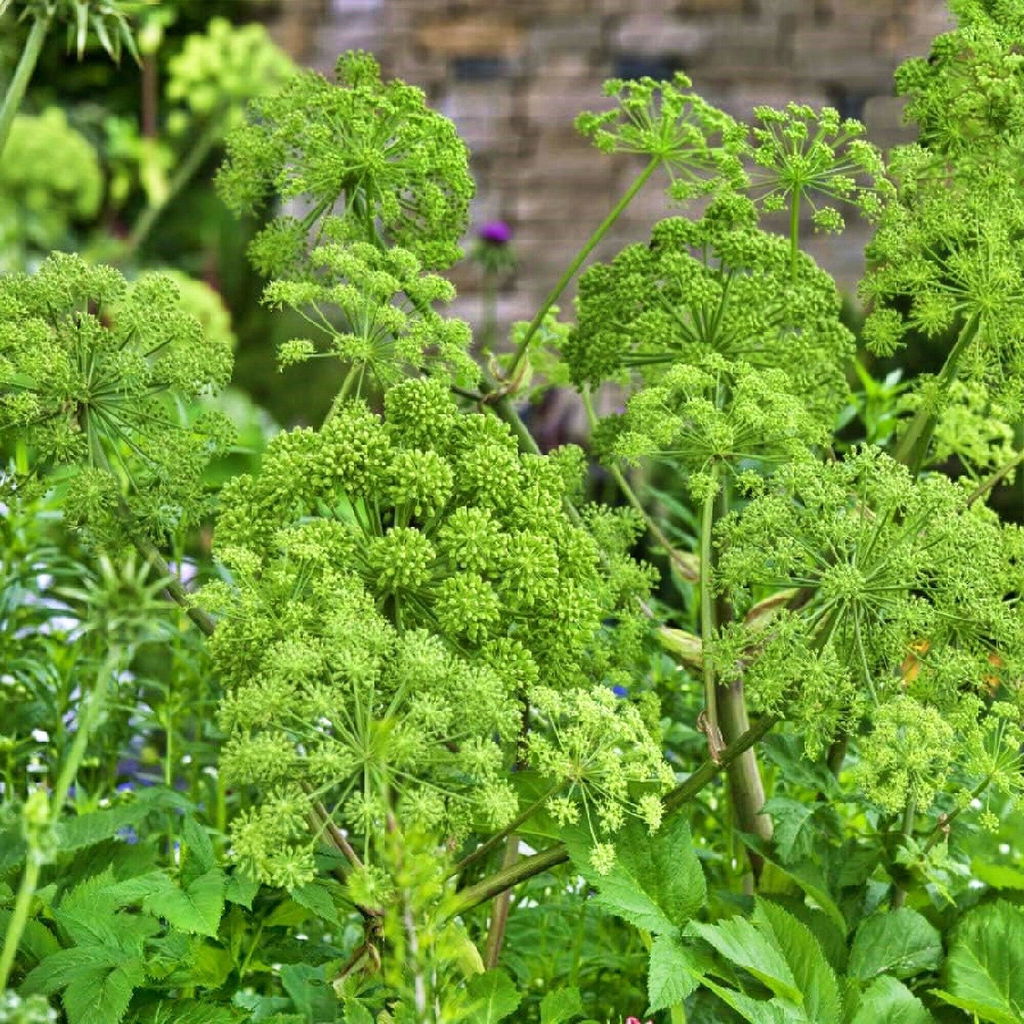
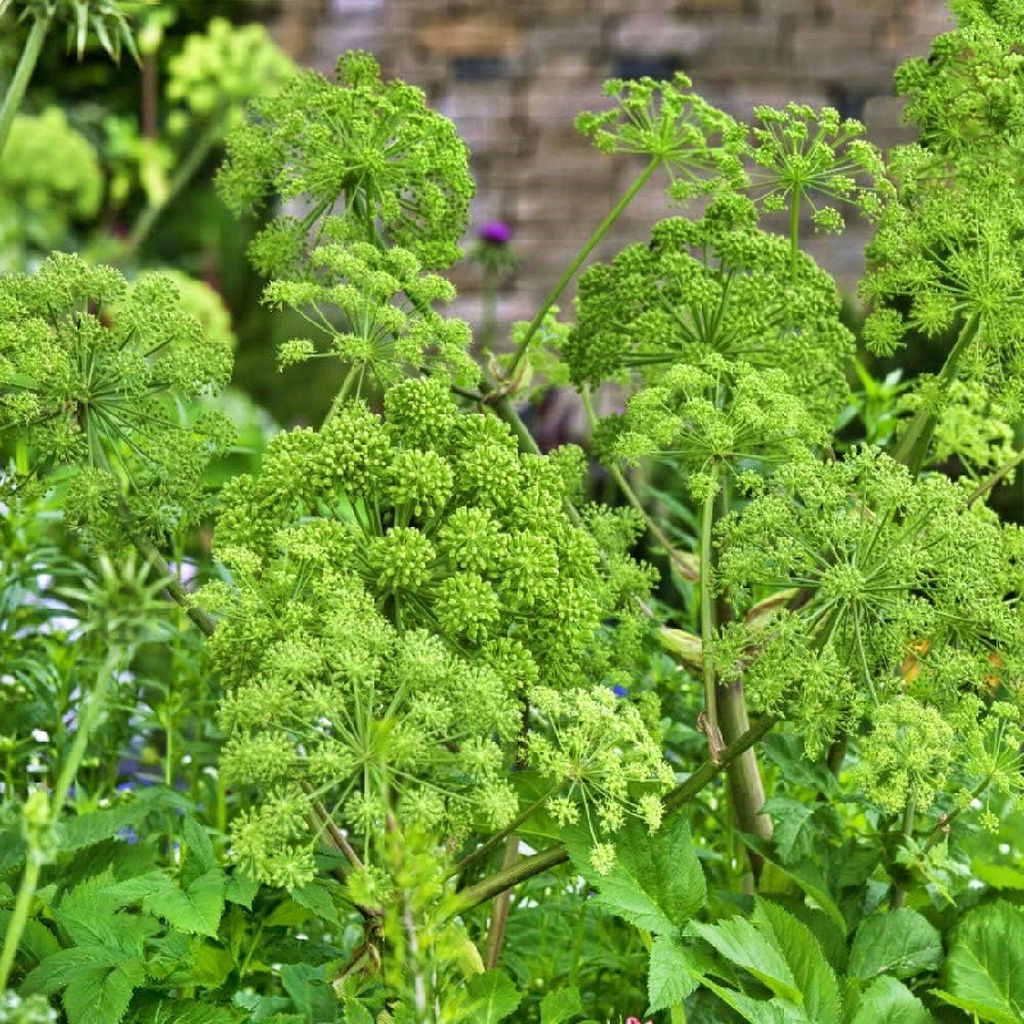
Angelica (Angelica archangelica) is considered one of the major medicinal plants by ancient scholars and remains well known and widely used throughout Europe for both its medicinal properties and its distinctive fragrance and flavor — aromatic, earthy, with warm licorice overtones. A hardy biennial or short-lived perennial of the carrot family, usually flowering in the second or third year. A large, architecturally striking plant: the plant itself grows to about 3 feet, but the flower stalk can exceed 6 feet in height, topped with large, round globe-shaped umbels of small greenish-white flowers. Majestic in the herb garden, perennial border, or as a specimen plant. Deer resistant. 100+ seeds per packet. Non-GMO, biennial, open-pollinated, heirloom.
-
Botanical name: Angelica archangelica
-
Days to maturity: 60–90 days (leaf harvest); flowers year 2–3
-
Days to germination: 6–8 weeks cold stratification at 40°F, then 20–25 days at 60–70°F
-
Flavor/aroma: Aromatic, earthy, warm licorice overtones
-
Flowers: Large round globe umbels of small greenish-white flowers
-
Plant height: 3 feet (plant); 6+ feet (flower stalk)
-
Plant width: 2–3 feet
-
Soil: Deep, rich, well-drained
-
Temperature: 50–75°F; cool and moist preferred
-
Germination temperature: 60–70°F (after cold stratification)
-
Sowing depth: ¼ inch
-
Plant spacing: 24–36 inches; rows 24–36 inches
-
Light: Partial shade preferred
-
Garden size: Garden plot, herb garden, perennial border, raised bed, greenhouse
-
Deer resistant: Yes
-
Packet size: 100+ seeds
-
USDA Zones: 4–8 (biennial/short-lived perennial)
-
Type: Heirloom, open-pollinated, non-GMO, biennial
-
Pests: Aphids and spider mites; spray thoroughly with water or use neem oil
Ancient Medicinal Heritage
Angelica archangelica has one of the most storied histories of any European herb. Considered one of the major medicinal plants by ancient scholars, it was revered throughout medieval Europe as a powerful protective and healing herb — legend holds that an angel revealed its medicinal properties to a monk during a plague, giving rise to the name “archangelica.” It was used as a plague remedy, a digestive tonic, and a general strengthening herb for centuries. Today it remains well known and widely used throughout Europe, Scandinavia, and the British Isles for both medicinal and culinary purposes. Every part of the plant is useful: roots, stems, leaves, and seeds all have distinct culinary and medicinal applications.
Culinary Uses — Liqueurs, Confectionery & Cooking
Angelica’s distinctive earthy-licorice flavor makes it a unique and versatile culinary herb:
-
Liqueurs & spirits: Angelica root and seeds are a key botanical in gin, Chartreuse, Bénédictine, Vermouth, and many other European liqueurs and bitters; the seeds have a milder flavor than the root and are used to flavor alcoholic beverages
-
Candied stems: Young green stems are candied in sugar syrup and used as a classic confectionery decoration on cakes, pastries, and desserts — the bright green color and sweet licorice flavor are distinctive
-
Fish seasoning: Fresh leaves and stems used to season fish, particularly in Scandinavian cuisine; the flavor complements salmon and other fatty fish
-
Tea & digestive tonic: Dried leaves and seeds steeped as a calming, digestive tea; traditionally used as a digestive tonic after meals
-
Soups & stews: Young leaves added to soups and stews for aromatic depth
Architectural Garden Presence
Beyond its culinary and medicinal value, Angelica is one of the most architecturally striking plants you can grow. The flower stalks exceed 6 feet in height, topped with large, round globe-shaped umbels of small greenish-white flowers that are genuinely majestic in scale. While the individual tiny flowers are not particularly showy up close, the overall effect of a mature Angelica in full bloom is dramatic and impressive — a true specimen plant. It is an excellent choice for the back of a perennial border, as a focal point in an herb garden, or as a structural element in a cottage garden. The large, deeply divided leaves are also attractive throughout the growing season before flowering.
Cold Stratification — Critical for Germination
Angelica seed requires cold stratification to germinate reliably — this is one of the most important things to know about growing it from seed. The seed has a natural dormancy mechanism that requires a period of cold and moist conditions before it will germinate. There are two approaches:
-
Direct sow in late fall (easiest): Sow seeds directly outdoors in late fall; they will naturally stratify through winter and germinate in spring when conditions are right
-
Indoor stratification: Place seeds in moist paper towel or seed-starting mix in a sealed bag; refrigerate at 40°F for 6–8 weeks; then sow in seed-starting mix at 60–70°F; germination in 20–25 days after stratification
Important: Angelica seed loses viability quickly — always use the freshest seed available and sow promptly. Old seed germinates poorly or not at all.
Growing Notes
Sow ¼ inch deep in partial shade in deep, rich, well-drained soil. Space plants 24–36 inches apart — Angelica grows large. Prefers cool, moist conditions (50–75°F); does not perform well in hot, dry climates. Keep soil consistently moist. Plants grow as a rosette of large leaves in year one; flower stalks emerge in year two or three. After flowering and setting seed, the plant typically dies — allow some seeds to fall and self-sow for a continuous supply. Watch for aphids and spider mites; spray thoroughly with water or apply neem oil. Not generally bothered by deer.
Frequently Asked Questions
Why is cold stratification required?
Angelica seed has a natural dormancy mechanism — it will not germinate without first experiencing a period of cold and moist conditions that simulate winter. This prevents the seed from germinating in fall only to be killed by winter frost. Stratification breaks this dormancy. The easiest method is direct sowing in late fall and letting nature do the work; indoor stratification gives more control over timing.
How long does Angelica live?
Angelica archangelica is a biennial or short-lived perennial — it typically flowers in its second or third year, sets seed, and then dies. However, if you prevent it from flowering by cutting the flower stalk before it blooms, the plant may continue growing for another year. Allowing some plants to self-sow ensures a continuous supply in the garden.
Can I grow Angelica in a hot climate?
Angelica prefers cool, moist conditions and is best suited to Zones 4–8. It struggles in hot, dry summers and is not recommended for climates with prolonged heat above 80°F. In warmer zones, grow in deep shade and keep soil consistently moist; treat as a cool-season annual in mild-winter climates.
Packed and shipped by Box Garden Seeds LLC — heirloom seeds grown without GMOs, selected for flavor, resilience, and your garden’s success.