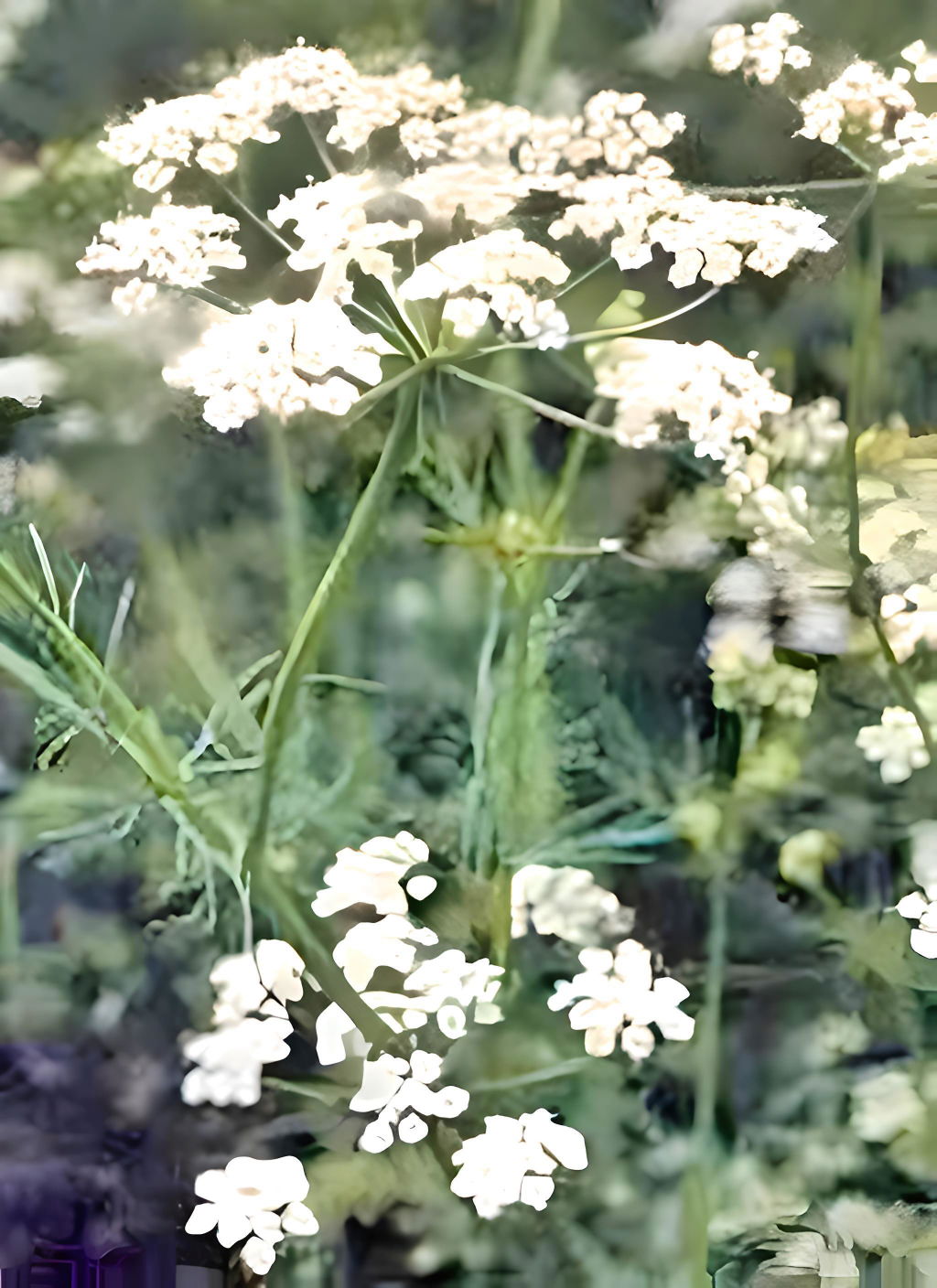
Caraway, Heirloom Herb Seeds — Anise-Licorice Flavor with Citrus & Black Pepper, Entirely Edible Biennial, Pollinator Attractor (Carum carvi)
Caraway (Carum carvi) is a popular culinary and medicinal biennial herb native to Europe, Western Asia, and North Africa — used in many dishes worldwide for generations. The fruit (which contains the seed) has a distinctive anise or licorice flavor with a hint of citrus and black pepper. Attractive white umbel flower clusters sit atop lush feathery greenery. Almost every part of this versatile plant is edible: young leaves in salads, seeds dried for flavoring, and roots boiled like carrots or parsnips. Cold and drought-tolerant once established. Attracts pollinators. Suitable for flower, herb, and kitchen gardens. 0.01g / 100+ seeds per packet. Biennial — leaves in year one; seeds, flowers, and roots in year two.
-
Botanical name: Carum carvi
-
Flavor: Anise / licorice with hint of citrus and black pepper
-
Edible parts: Seeds, leaves, and roots — entirely edible
-
Flowers: Attractive white umbel clusters — pollinator attractor
-
Days to maturity: ~455 days (2nd year flowering and seed harvest)
-
Type: Biennial — leaves year 1; seeds, flowers, roots year 2
-
Cold tolerance: Cold-tolerant; mulch in harsh winters
-
Drought tolerance: Drought-tolerant once established
-
Soil: Well-draining, amended with compost; dry between irrigations once established
-
Sowing: Direct sow — needs light to germinate; do not fully cover seeds
-
Sowing time: Early fall or spring as soon as soil can be worked; or start indoors 3–4 weeks before last frost
-
Spacing: 24 inches apart
-
Light: Full sun
-
Packet size: 0.01g / 100+ seeds
-
USDA Zones: 3–10
-
Type: Heirloom, open-pollinated, non-GMO, biennial
The Biennial Lifecycle — What to Expect Each Year
Caraway is a biennial, meaning it completes its lifecycle over two growing seasons. Understanding this is key to getting the most from it:
-
Year 1: Plants produce lush feathery leaves similar to carrot tops. Seeds sown in spring may not flower in the first season. Harvest tender leaves individually for salads — never more than a third of the plant at a time. Plants overwinter (mulch in harsh climates).
-
Year 2: Plants produce attractive white umbel flower clusters, followed by seeds. Watch for seeds turning from yellow to brown — cut flower heads and place in a paper bag to dry; seeds pop out as they dry. Roots can also be harvested once flowering is finished.
The best strategy for a continuous annual harvest: start a new batch of seeds each spring or fall. While the new batch matures through year one, the previous year’s batch will be flowering and ready for seed harvest — giving you leaves, seeds, and roots every year.
Entirely Edible — Seeds, Leaves & Roots
Almost every part of the caraway plant is edible, making it one of the most productive herbs per square foot in the garden:
-
Seeds: The primary harvest — dried and used for flavoring rye bread, sauerkraut, cheeses, soups, stews, and desserts; anise-licorice flavor with citrus and black pepper notes
-
Leaves (year 1 & 2): Tender young leaves harvested individually for salads, soups, and sauces; mild carrot-like flavor; never harvest more than a third at a time
-
Roots (year 2): Harvested after flowering is finished; boiled and eaten like carrots or parsnips; mild and starchy
Pollinator Attractor & Garden Companion
Caraway’s flat white umbel flower clusters are highly attractive to beneficial insects — particularly parasitic wasps, hoverflies, and other small pollinators that are drawn to the open, accessible flower structure. Planting caraway near brassicas, tomatoes, and other vegetables helps attract these beneficial insects, which prey on common garden pests. The attractive feathery foliage and white blooms also make caraway a beautiful addition to ornamental herb and flower gardens alongside its culinary role.
In the Kitchen
-
Rye bread: The classic use — caraway seeds are the defining flavor of traditional rye bread and pumpernickel; add whole seeds to dough before baking
-
Sauerkraut & ferments: Add seeds to sauerkraut, kimchi-style ferments, and pickled vegetables for classic European flavor
-
Cheese: Traditional in Havarti and other European cheeses; add to homemade cheese or sprinkle on soft cheeses
-
Soups & stews: Add seeds to potato soup, borscht, and hearty winter stews; pairs especially well with cabbage and root vegetables
-
Roasted vegetables: Toss with carrots, parsnips, or potatoes before roasting; the seeds toast beautifully and release their flavor
-
Salads: Use fresh young leaves as a carrot-top-like herb in green salads and grain bowls
-
Roots: Boil and serve like carrots or parsnips; mild, starchy, and slightly sweet
Growing Notes
Sow directly into the garden in early fall or spring as soon as soil can be worked — caraway seeds need light to germinate and should not be fully covered. Or start indoors 3–4 weeks before last frost and transplant carefully. Amend soil with well-rotted compost before planting. Water regularly as plants establish; fertilize lightly when seedlings reach 3 inches. Once established, caraway has minimal watering needs — allow soil to dry slightly between irrigations. In regions with harsh winters, spread a thick layer of mulch over roots in late fall. Space plants 24 inches apart in full sun in well-draining soil. Harvest leaves in year one; watch for seeds turning yellow to brown in year two — cut flower heads into a paper bag to dry and collect seeds. Harvest roots after flowering is finished.
Frequently Asked Questions
Why didn’t my caraway flower in the first year?
This is normal — caraway is a biennial and typically does not flower in its first season, especially from spring sowings. The plant needs to go through a cold winter period (vernalization) before it will flower and set seed in year two. Fall sowings that experience winter cold before spring growth often flower more reliably in year two. Be patient — the leaves are harvestable and useful in year one.
How do I harvest caraway seeds?
Watch for the seeds to turn from yellow to brown — this signals ripeness. Cut the flower heads with a few inches of stem and place them upside down in a paper bag. As they dry, the seeds will pop out into the bag. Store dried seeds in an airtight container in a cool, dark place. Caraway seeds keep well for 2–3 years.
Can caraway self-seed?
Yes — if you allow some flower heads to mature fully on the plant without harvesting, caraway will self-seed and naturalize in the garden. This is the easiest way to maintain a continuous supply without replanting each year. Simply leave a few flower heads to drop seed in late summer.
Packed and shipped by Box Garden Seeds LLC — heirloom seeds grown without GMOs, selected for flavor, resilience, and your garden’s success.