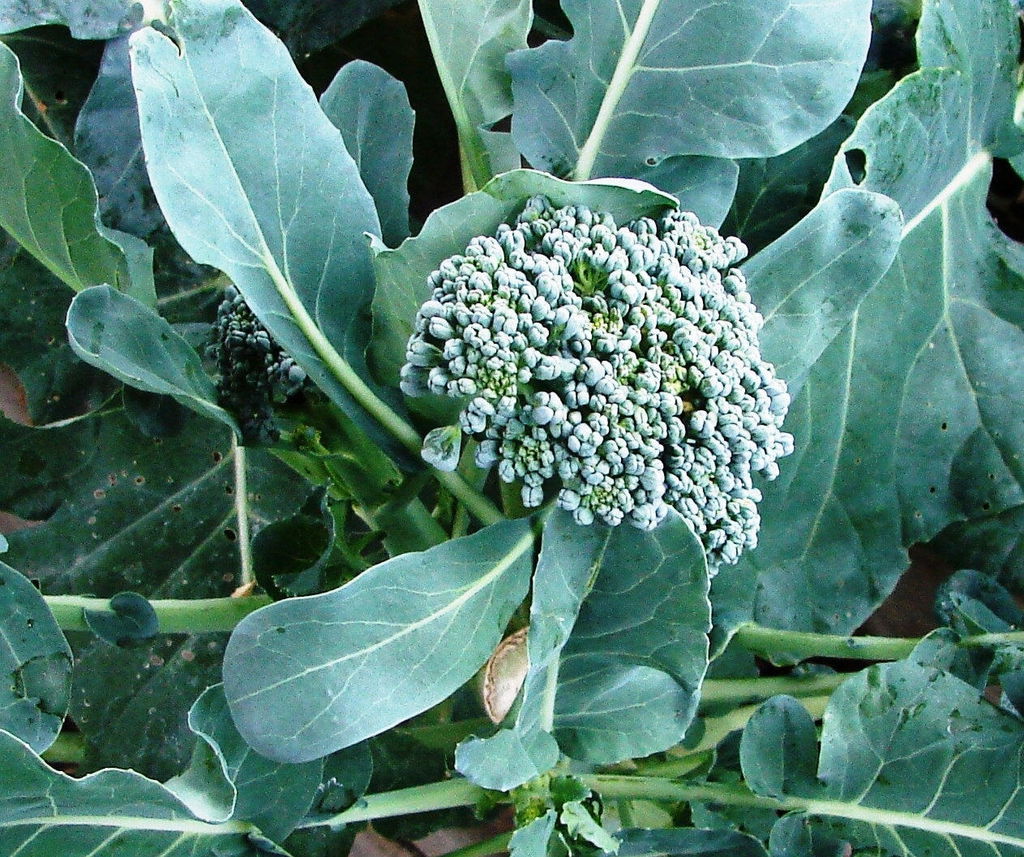
Waltham 29 Broccoli — The 1950 University of Massachusetts Heirloom Built for Cold, High Yields, and Repeat Harvests
Bred around 1950 at the University of Massachusetts Amherst’s historic Waltham Field Station, Waltham 29 (Brassica oleracea var. italica) is the cold-hardy American broccoli standard — developed specifically to thrive in the brisk New England chill and the cool gardens of the Pacific Northwest. Compact, dwarf plants grow 24–30 inches tall with classic blue-green floreted heads 4–8 inches across, brimming with Sulforaphane — the naturally occurring compound exclusive to cruciferous brassicas and one of the most studied nutrients in modern food science. Higher yields, more uniform crops, and prolific side shoot production after the main head is harvested make this a standout for home gardens and farmers markets alike. Tastes best after a few light autumn frosts. Good cultivar for freezing. 85–90 days.
Why Grow Waltham 29?
-
University of Massachusetts pedigree — bred at Waltham Field Station for cold hardiness, yield, and uniformity
-
Cold-hardy American staple — excels in the Northeast and Pacific Northwest; tastes best after light frosts
-
4–8 inch central heads — compact 24–30 inch plants with classic blue-green color
-
Prolific side shoots — steady production continues long after the main head is harvested
-
Rich in Sulforaphane — the powerful naturally occurring compound exclusive to cruciferous brassicas
-
Versatile harvest — fresh, steamed, frozen, or grown as microgreens and sprouts
-
Popular at farmers markets — uniform, high-yielding, and reliable season after season
-
Open-pollinated heirloom — save seed year after year
Growing Notes
For spring crops, start indoors 6–8 weeks before the last frost. For fall crops, start indoors in mid-summer about 3 months before the first autumn frost. Sow 2–3 seeds ½ inch deep per cell or 4–6 inches apart in the garden in organic, fertile, well-drained soil with a pH of 6.0–7.0. Seeds germinate in 3–14 days. Thin to 12–18 inches once true leaves establish. Full sun preferred — in warmer regions, provide midsummer shade. Keep soil consistently moist. For warmer zones, choose a cultivar with a shorter maturity date to fit a shortened cool season.
Harvest the main head when 5–6 inches in diameter and still compact — heads turn bitter once they begin to flower. Cut above the smaller florets to allow side shoots to continue maturing. The entire plant is edible and considered to taste best after a few light autumn frosts. Excellent for freezing.
Microgreens & Sprouts: Waltham 29 is experiencing a renaissance as a microgreens and sprout crop for its exceptional Sulforaphane content — one of the highest concentrations available in any garden vegetable.
| Days to Maturity |
85–90 days |
| Days to Germination |
3–14 days |
| Plant Height |
24–30 inches |
| Head Size |
4–8 inches, classic blue-green |
| Side Shoots |
Prolific — steady production after main head harvest |
| Key Nutrient |
Sulforaphane (exclusive to cruciferous brassicas) |
| Best Uses |
Fresh eating, steaming, freezing, microgreens, sprouts |
| Planting Depth |
½ inch |
| Plant Spacing |
12–18 inches |
| Soil |
Organic, fertile, well-drained; pH 6.0–7.0 |
| Light |
Full sun (part shade in warm regions) |
| Best Regions |
Northeast & Pacific Northwest USA |
| USDA Zones |
1–9 |
| Origin |
Waltham Field Station, UMass Amherst, ~1950 |
| Latin Name |
Brassica oleracea var. italica
|
| Type |
Heirloom, Open-Pollinated, Non-GMO, Annual |
Packed and shipped by Box Garden Seeds LLC — heirloom seeds grown without GMOs, selected for flavor, resilience, and your garden’s success.